


As you may know, we are building a pottery studio over here in Austria – and with all the planning involved, we naturally have been looking at the use of water in a community ceramics studio, in order to see what we can do to optimize it’s usage and make sure we are not wasting water.
So, in today’s blog, we’ll explore seven practical tips for reducing water usage in both ceramic work and studio maintenance, helping you to contribute to water conservation efforts.
Collect Rainwater
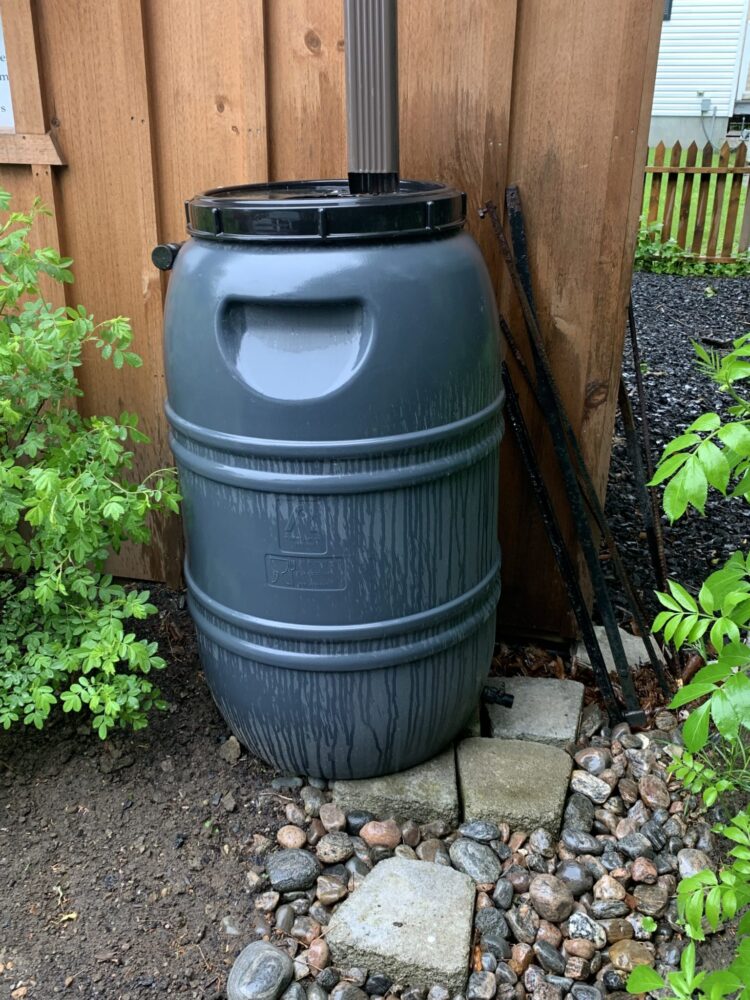
If you’re allowed to collect rain water in your country/state, then setting up rain barrels at your studio and home is a great way to make your water consumption more sustainable. Set up under your downspout, these barrels (also called water butts) collect the rain from your roof, which can then be used for mopping and general cleaning in the studio. As an added bonus, rain water is actually better for mixing slips than tap water, as it has fewer minerals and no added chemicals such as chlorine or fluoride (though it can be affected by air pollutants so is not 100% pure).
If you setup an outdoor sink to wash your pottery tools and splash pans etc, you could probably also setup a pressure water pump like you get in a camper van, and I would also hook up a commercial overhead faucet – but if you have students, then be sure to add a sign to say it’s not drinking water.
Use a Portable Sink
Not a fan of using rain water? You can also use a portable sink to reuse your water again and again when washing up! You can get these by searching for “Tool Parts Washer”
Use a Bucket System
With the average kitchen-style faucet using between 1.5-2.2 gallons of water per minute, your sink is one of the biggest sources of water waste in your studio. To cut back on your faucet run time, switch your studio over to a bucket system. Fill a 10 gallon bucket with water (use your rainwater if you followed tip #1!) and use that to wash your tools, wheel pan, and your hands, and to wipe down surfaces throughout the day. All clay particles will settle at the bottom overnight, leaving you with plenty of clean water on top at the start of each day. By keeping your bucket covered to keep out bugs and contaminants and to reduce evaporation, a single bucket can easily last you a week or more. To put it in perspective, the same amount of water you would use to wash your wheel pan and tools in the sink with a running faucet can be used for over a week simply by putting it in a bucket!
As an added bonus, once the water in your bucket is too low to continue using, you can drain out the remaining amount and reclaim the clay that has settled at the bottom (providing of course no plaster or other contaminants found their way into your bucket). So not only are you reducing water waste, but clay waste as well!
For community studios, you may want to consider a 2 or a 3 bucket system, where the first bucket is for really mucky tools and hands, and the second is meant as a second rinse or for lightly-dirty items.

Upgrade Your Faucet
While following tip number two will have the biggest impact on reducing your water, there’s no way to avoid using a faucet completely. To make this less impactful, consider installing a water-efficient aerator. This simple attachment can reduce your faucet’s water flow down to rates of 0.35-0.50 gallons per minute, which not only saves you water, but also money! While low-flow aerators will slow down the task of bucket-filling, they go a long way to reduce waste when the task requires running water.
Another basic tip is to quickly remedy any leaky faucets. A tap leaking just one drip a minute can waste over 30 gallons of water a year. While that might not seem like much, it’s about 3 weeks worth of water if you’re using your bucket system!
Save and Reuse Wheel Sludge
Water use while throwing is unavoidable but by saving the watery clay that collects in your wheel pan, you’ll ensure that none of it goes to waste. This sludge can be stored in a container as slip for joining your mug handles and teapot spouts, or it can be reclaimed into workable clay by setting it out on a plaster slab and then wedging it up.
You can also reuse the water in your pan for the next throwing session if it’s not too thick. Simply suck up the water in the pan with a sponge and squeeze it back into your water bowl (or into your main water bucket). Any clay particles will settle out, leaving you with clean water on the top that can be used again. Keep it covered if you’ve got a few days between throwing sessions.
Recycle Clay Before it Dries
While this one is tricky for wheel throwers who trim at leather hard, it’s a great habit to develop for hand builders. As you are cutting soft slabs, coil building, or modeling, place your scraps in plastic as you go, rather than leaving them until the end of your session where they’ve had time to dry out. By doing this, you reduce the amount of clay that you’ll need to reclaim, which of course helps to reduce your water use. This might feel a bit inconvenient at first, but when you realize how much it also saves you from the dreaded task of reclaim, you’ll be happy you invested the effort!
As an added bonus, bagging scraps right away will also cut down on clay dust in your studio, keeping your lungs happy and healthy.
Wax Your Pots and Glaze Efficiently
Glazing is another process that uses quite a bit of water. While we can’t avoid this completely, there are simple steps we can take to be less wasteful.
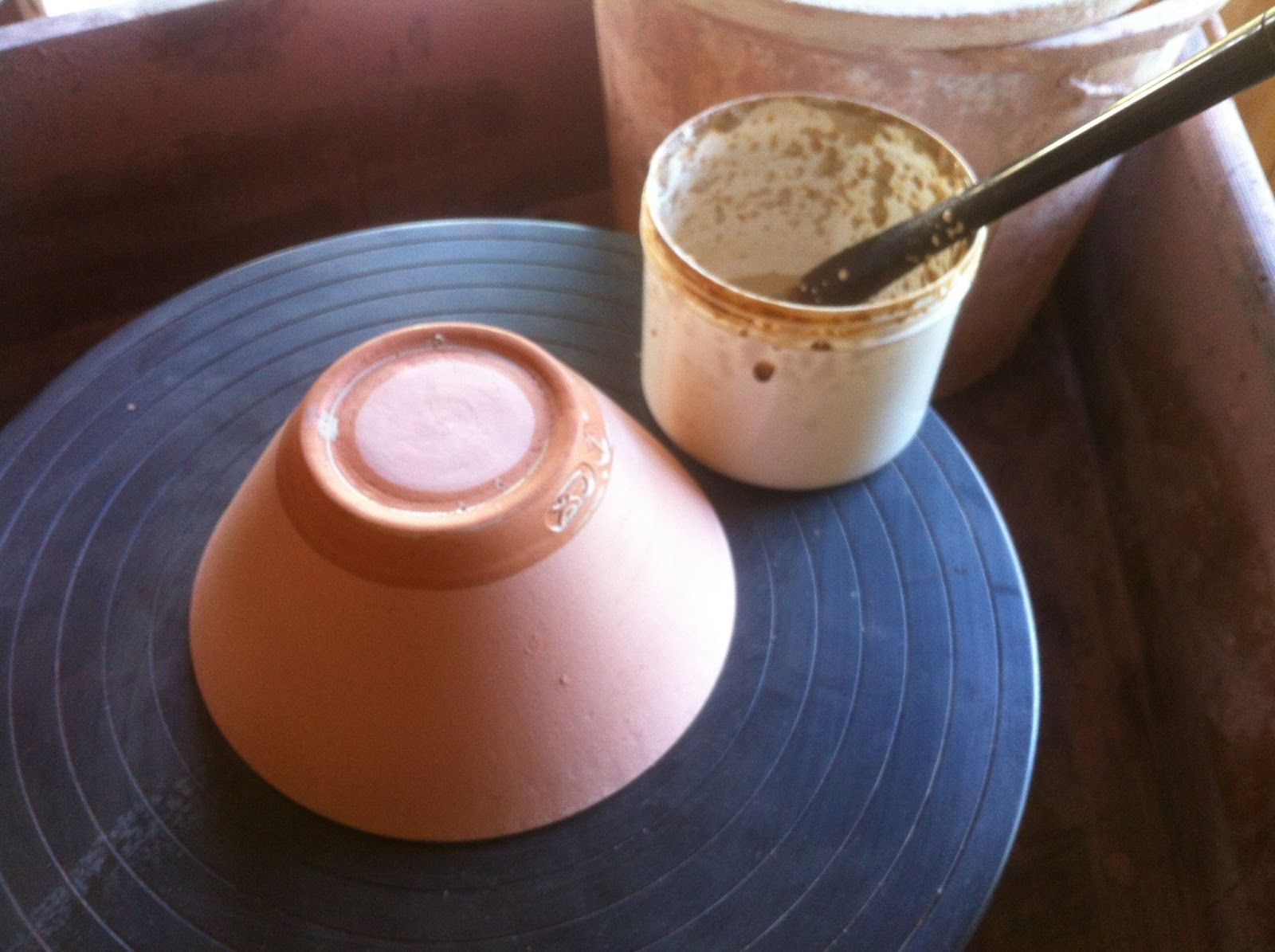
The first is to always wax the bottom of your pots, rather than sponging the glaze off the bottom. This allows excess glaze to drip back into your glaze bucket (which also reduces glaze waste!), requiring only a slightly damp sponge to clean off remaining drips, rather than a very wet one to scrub the entire bottom. It also creates less mess, requiring less water for clean-up.
Another easy way to reduce water waste while glazing is to plan your glazing ahead of time. In doing this you can avoid going back and forth between glazes, which requires cleaning your tongs and sponges between each change. By working with one glaze at a time before switching, less cleaning is needed. Also be sure to tightly close all of your glaze buckets after each use to minimize water evaporation.
When it comes to mixing glazes, always start with less water than needed, adding small amounts at a time until your glaze is the desired consistency. For instance, if your recipe calls for 1:1 water, start with 80% and work your way up. Not only is this easier (it’s simpler to add water than to remove it if you’ve made it too thin), it prevents you from wasting water by having to skim off any excess and throwing that water away.
Another water saving strategy is to have a separate water bucket in the glaze room. Use it for cleaning just as you would your main studio bucket, but in this case you can salvage glaze sludge from the bottom to create a one-of-a-kind mystery glaze!
Support Organizations Working for Water Security Around the World
As we work to reduce water waste in our own studios, it’s also worth considering supporting organizations that help water-scarce communities if you have the means. To have fresh water readily available on tap is an incredible privilege, one much of the world does not have. According to the WHO in 2024, 2.2 billion people still live without safely managed drinking water.
There are numerous reputable organizations working towards increasing access to clean water, including ones that use clay towards this goal, such as Potters for Peace. A South American-based foundation, they work with and train local people in water-poor communities to produce ceramic water filters. Not only does this increase access to safe water, but it provides skills and employment for the people in the affected communities, while also using primarily locally-sourced materials. For a detailed list of other water-focused organizations, check out this excellent blog post.
By adopting even a few water-saving practices, you can make a meaningful difference in conserving this precious resource while enhancing the sustainability of your work. As you reflect on the purpose of World Water Day, remember that these small steps in your studio contribute to a larger movement toward responsible water use and environmental stewardship. With each effort, you help shape a future where creativity coexists harmoniously with conservation. Let’s honor our connection to water and commit to mindful, water-conscious artistry all year round.
Do you have any water-saving tips that we missed? Let me know in the comments below!




Responses